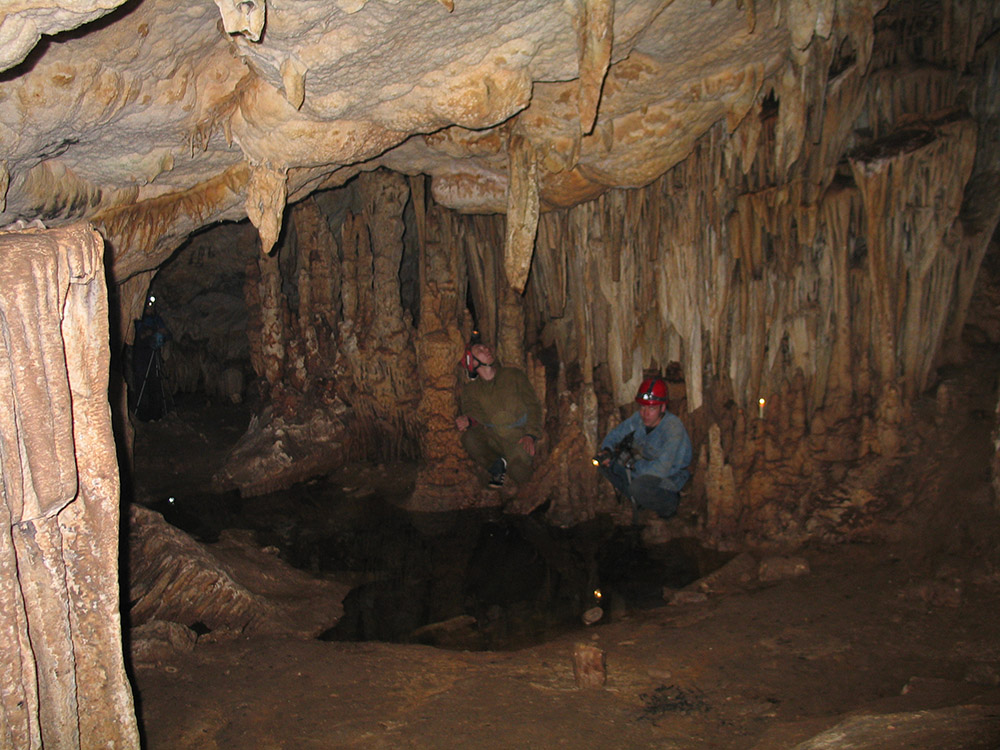
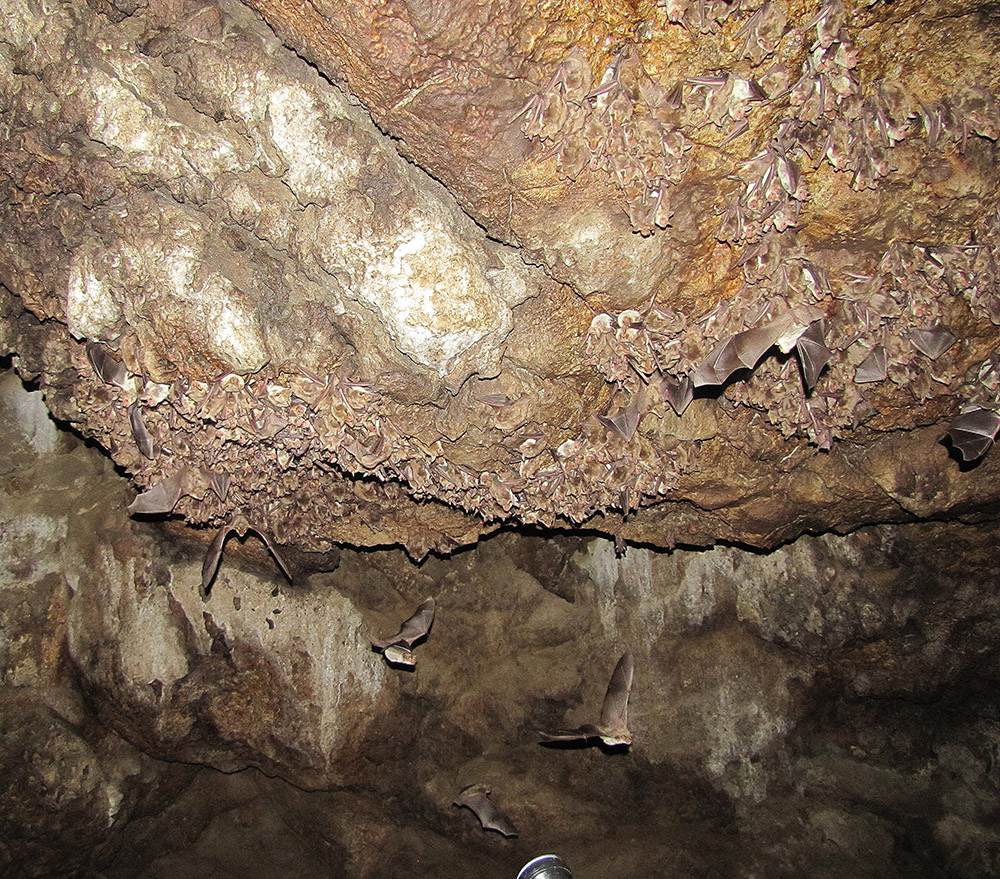
The Kan-i-Gut Cave is an amazing place of great cultural significance for the region and it is located in the western part of the Batken Region of Kyrgyzstan. This is one of the most important milestones of the ancient Silk Road.
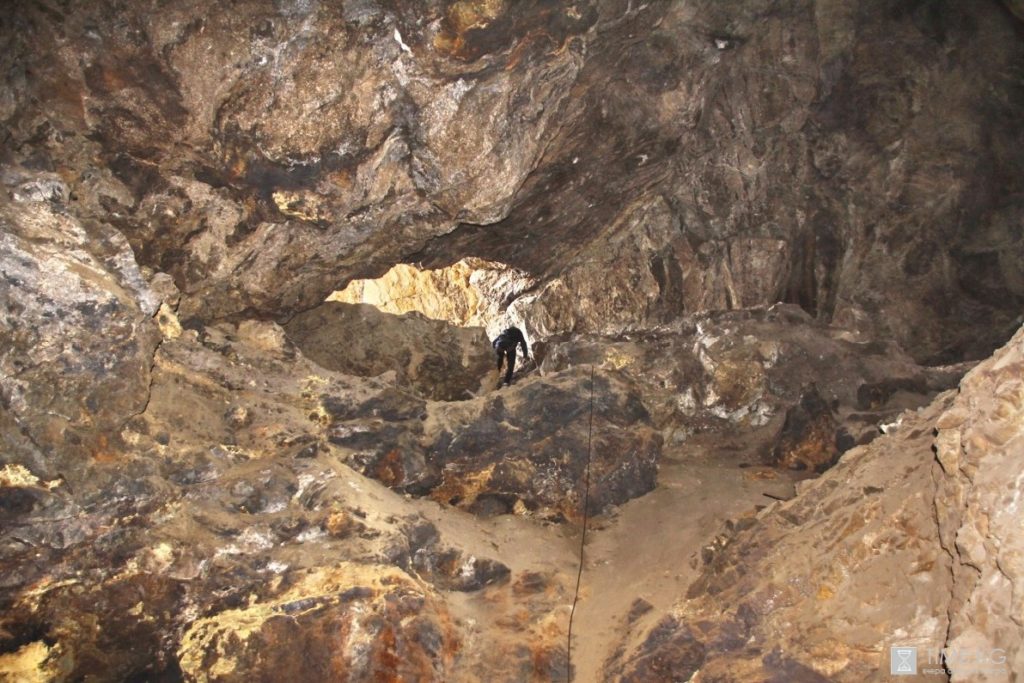
Kan-i-Gut is a natural cave containing large reserves of precious metals, primarily silver. In the period between the 9th and 11th centuries, this place was one of the key places for the economy and politics of the region. The Cave Kan-i-Gut was mentioned in the writings of Abu Ali Ibn Sina, known in Europe as Avicenna. The development of the mine lasted more than 1500 years and the true dimensions of the cave-mine are still unknown. At the moment, the known length of the cave is just over 6 kilometers, almost half of which was discovered quite recently – in 2017.
From ancient times the cave attracted people’s attention. It contains traces of ancient people and numerous remnants of the centuries-old work of miners, which began even before our era and ended in the 11th century. After the mine was exhausted, this place was abandoned, but not forgotten. There were legends that huge treasures were hidden in the cave, and therefore it attracted many convicts and treasure hunters, who were sent to their death searching for jewels in countless passes of Kan-i-Gut. At different times the cave was a prison for people disliked by the khans of the Ferghana Valley and in the early Soviet period, the basmachs (an uprising against Russian Imperial and Soviet rule by the Muslim peoples of Central Asia) hid here.
The first studies of Kan-i-Gut were carried out in 1920 by Soviet geologists, who gave a more or less detailed description of the transitions and halls of the cave.
Kan-i-Gut is a unique cultural and historical monument, which is still very little studied.
-
- OLYMPUS DIGITAL CAMERA

Kan-i-Gut Cave on the map
If you have found a spelling error, please, notify us by selecting that text and pressing Enter+Ctrl.